An exceptional place

Centuries of history

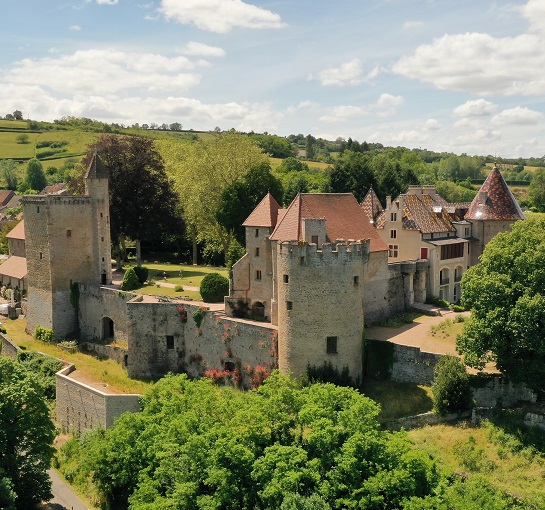
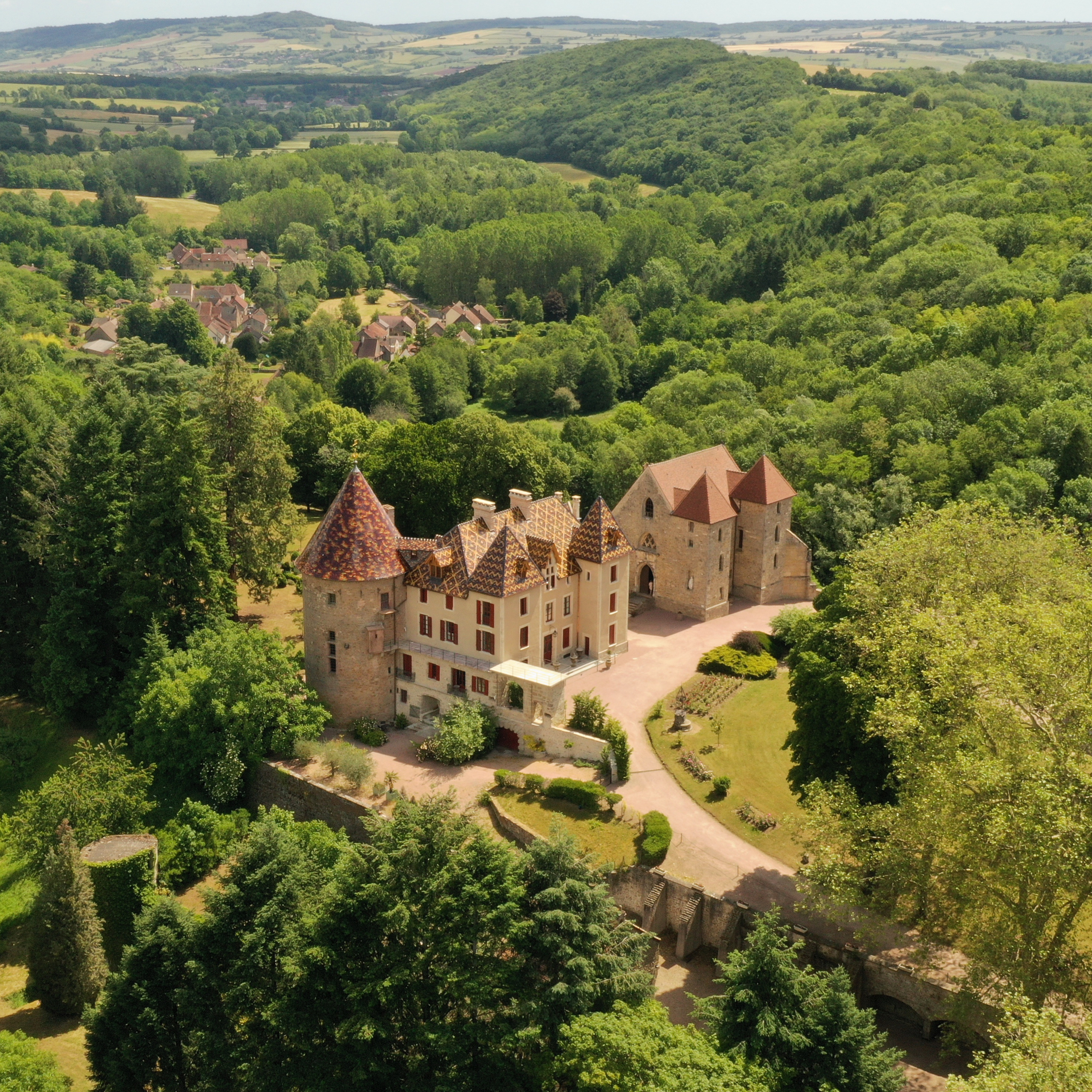
The Château de Couches, also known as the 'Marguerite de Bourgogne's Chateau', is a listed French historic monument. The château occupies a vast quadrilateral, still enclosed on three sides by walls reduced to parapet height.
 
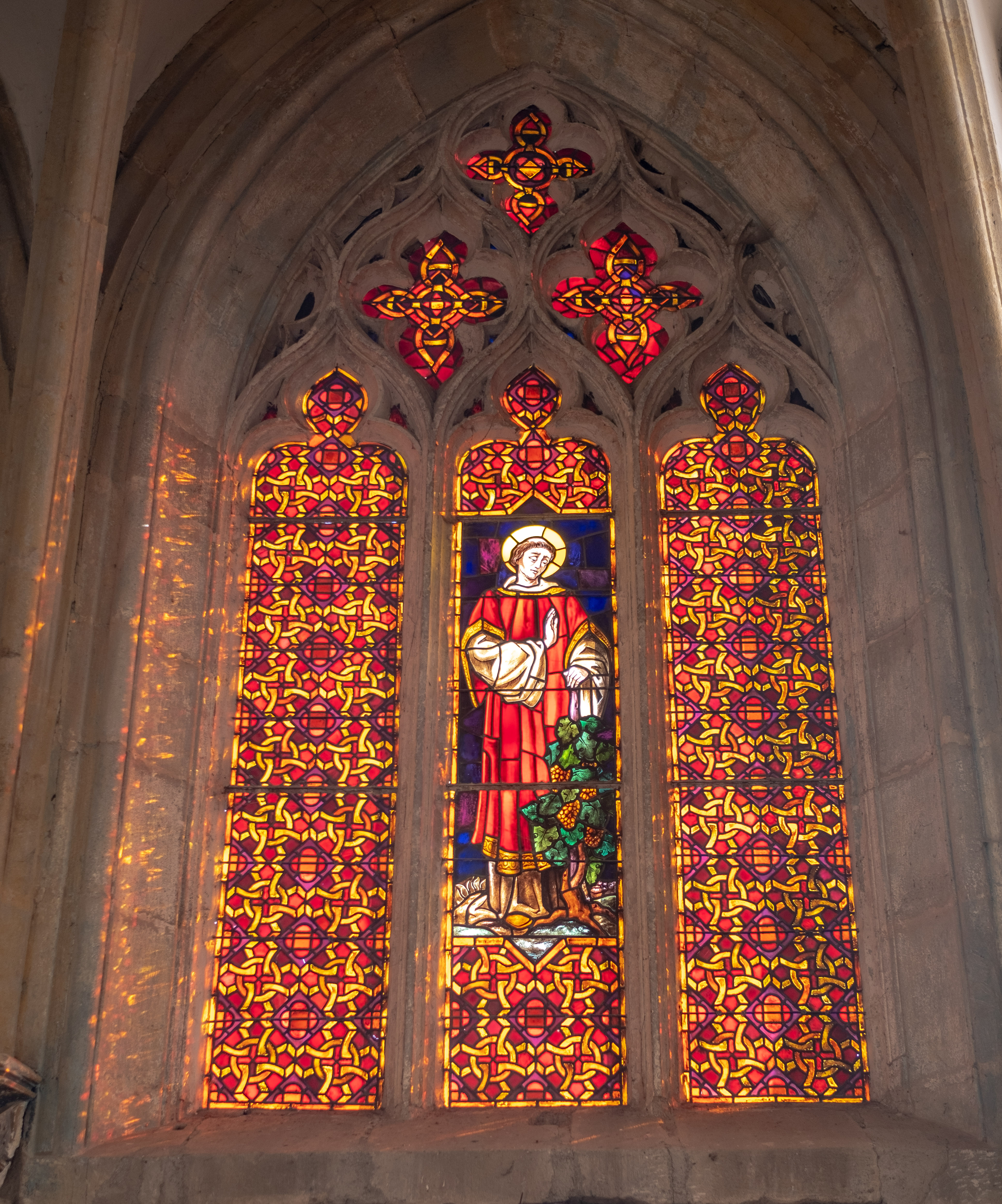
At the south‑east corner stands a tall tower, likely built in the 12th century, whose purpose was to control the original access to the fortress. In the 15th century, it was enhanced with an external turret containing a spiral staircase. The eastern curtain wall is flanked at its centre by the base of a dismantled square tower, and between the two 12th-century round towers stands the flamboyant Gothic chapel, built in 1460 by Claude de Montagu on the site of an earlier small sanctuary. Extending from this chapel is a rectangular residential wing, flanked by two square towers, all in the 19th‑century “troubadour” style.
 
Within its walls, the château also contains a small enclosed vineyard of just under three hectares, planted with Aligoté, Chardonnay and Pinot Noir to produce the wines of the promising Bourgogne Côtes-du-Couchois appellation.
Discover image 1

A historic monument typical of Burgundy architecture

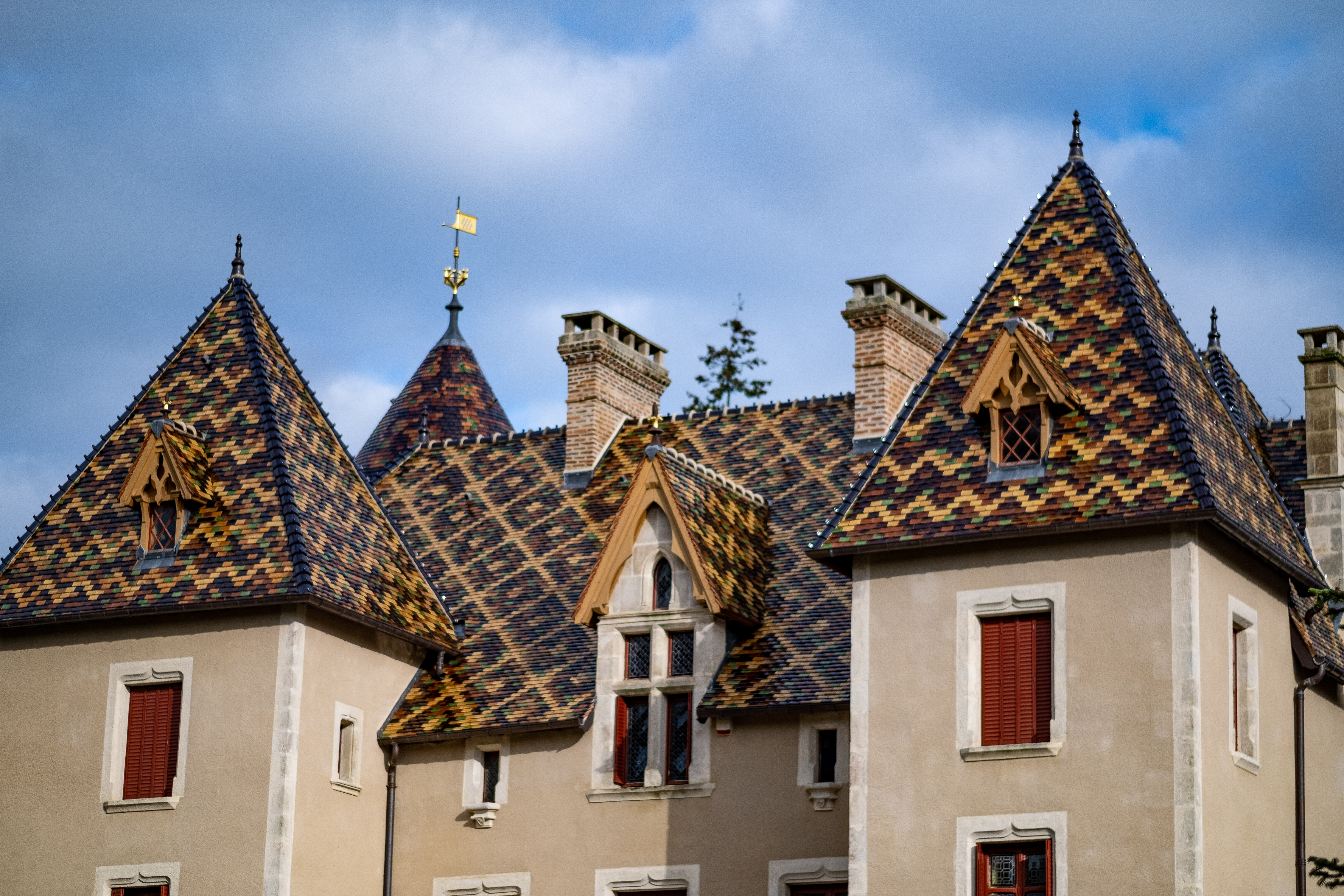
The residential wing of the Château de Couches was built between 1844 and 1848. Designed in the Neo‑Gothic style, it stands at the junction of two 13th‑century curtain walls and is supported by a round tower from the same period. The building consists of a main rectangular structure topped with a four‑sided roof. Its southern façade, overlooking the courtyard, is flanked by two half‑projecting square towers, each crowned with its own four‑sided roof.
 
The roof of the residential wing, recently restored in accordance with the earliest surviving photographs of the site, is made of flat glazed tiles. Without decorative patterns, these tiles (shades of yellow, green, reddish‑orange and dark brown) create a beautifully harmonious effect, particularly striking in aerial photographs overlooking the vineyard of the enclosed plot, bordered by the ancient Roman road linking Autun to Chalon‑sur‑Saône.
 
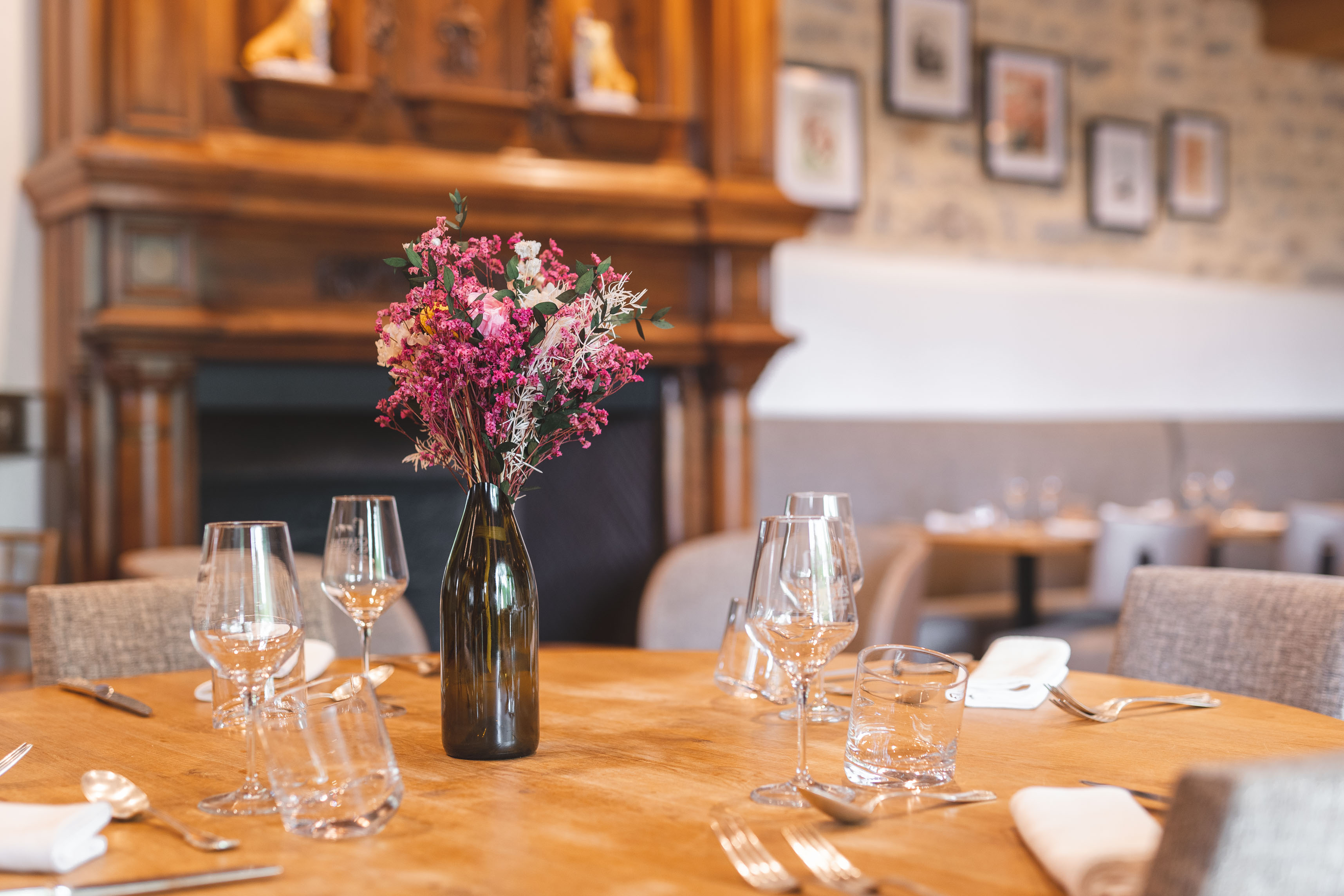
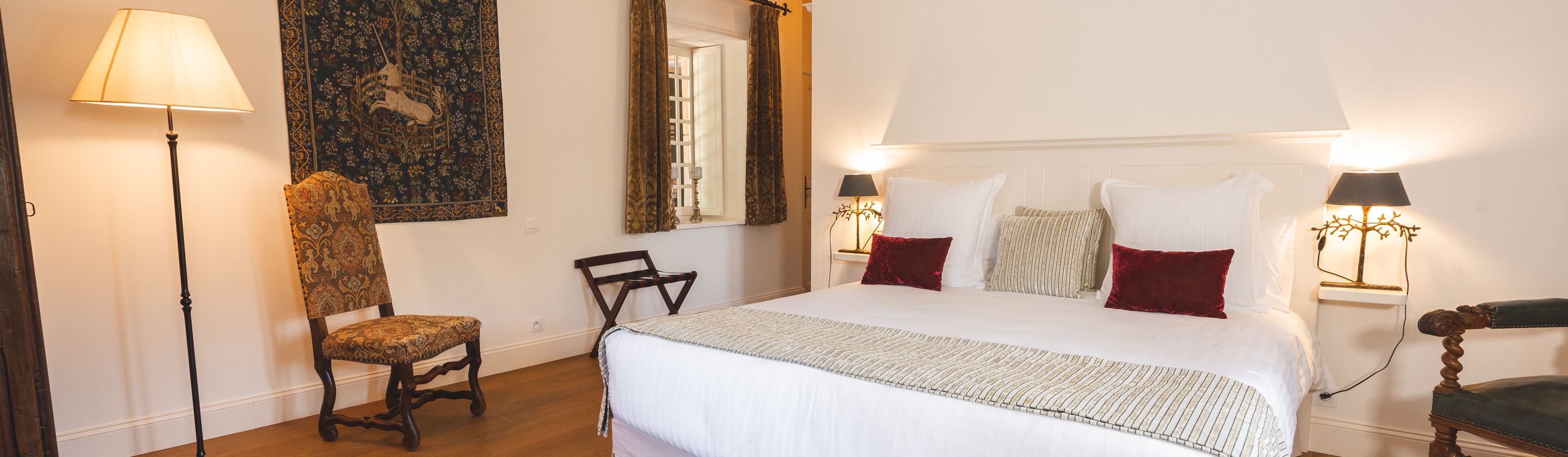
A manor house extending beyond the swan pond below the main building adds a pleasing sense of balance to the ensemble, while the former stables (now converted into a restaurant and guest rooms) offer visitors the possibility of an idyllic stay in the heart of the Beaune‑Autun‑Chalon triangle, an area rich in great wine appellations and historic architecture.
Discover image 2